Psoriasis
Psoriasis is more than just a skin condition-it is a long-term autoimmune disorder that can deeply affect both physical and emotional confidence. If you have ever noticed red, itchy, or scaly patches on your skin and wondered why they keep coming back, you are not alone. In this article, we will explain what psoriasis really means, its common causes, symptoms and signs, types (with pictures to understand different types and how it appear visually), and treatment. We’ll also include a simple diet plan, as well as information on foods to avoid and foods to eat for psoriasis.
What Is Psoriasis
Psoriasis is a long-lasting skin condition that happens when your immune system becomes overactive and speeds up the growth of skin cells. Normally, skin cells take weeks to form and shed, but with this skin issue. This process happens in just a few days. Because of this, extra cells build up on the surface of the skin, creating dry, red patches covered with silvery or white scales. These patches can feel itchy, sore, or even painful at times.
Psoriasis is not contagious, and it’s not caused by poor hygiene. It’s a condition that can come and go, sometimes flaring up due to stress, weather changes, infections, or certain lifestyle habits. While it can affect anyone, each person’s experience with psoriasis is different. Some people have mild symptoms, while others may deal with flare-ups that affect their daily comfort and confidence. Understanding what psoriasis is can be the first step toward managing it with care, patience, and the right treatment approach.
Types Of Psoriasis
Psoriasis is the sort of condition that can manifest in a lot of different ways. The symptoms and how they show up on the skin can vary a lot from person to person. Knowing the different types can therefore be a real help in both identifying what might be wrong and figuring out the best way to treat it.
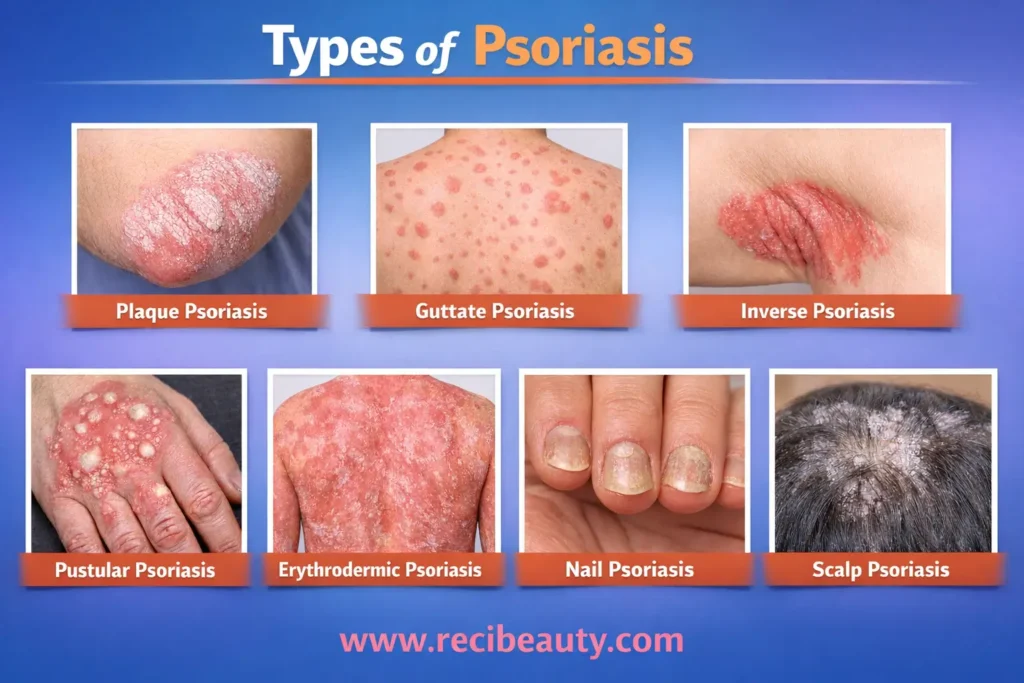
1. Plaque Psoriasis (The Type You HEAR About Most Often)
It is the most common form and, not surprisingly, most people with psoriasis have it. They tend to get thick red patches covered in silver-white scales. These patches usually turn up in the elbows, knees, the back of the head and lower back. It’s not just the appearance that can be a problem the skin can feel dry, scratchy or even painful, especially when you get a flare up.
2. Guttate Psoriasis
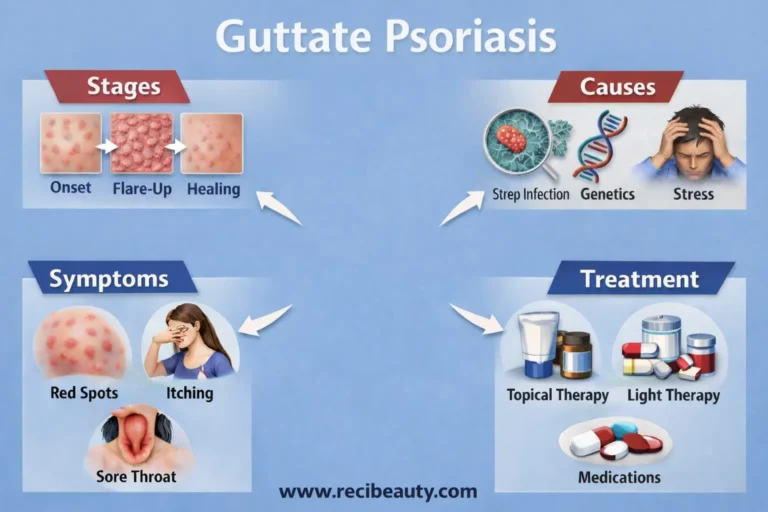
This type often pops up out of the blue-especially after a throat infection or some other illness. It shows up as small red spots all over the body and often on the chest, arms, and legs. Guttate psoriasis is more common in children and young adults, and with the right care it can start to fade over time.
3. Inverse Psoriasis
This skin issue tends to show up in skin folds like under the breasts, or in the groin or armpits. Unlike other types, it looks smooth and shiny rather than dry and scaly. Because of the moisture in those areas and the friction, it can be quite uncomfortable and get worse if you get too hot or sweaty.
4. Pustular Psoriasis
This type causes white blisters of pus on the skin surrounded by redness. It can turn up on the hands and feet or spread all over the body in severe cases. Although the blister looks pretty alarming, it’s worth remembering the aren’t infectious. This type often needs to be treated by a doctor.
5. Erythrodermic Psoriasis (The Rare But Really Serious One)
This is one of the rarer and most severe types, and it can be a real medical emergency. It causes widespread redness, intense itching, burning, and peeling of the skin all over large areas of the body. It can even affect your temperature and your levels of fluids in your body, so it’s not something to leave to chance.
6. Nail Psoriasis
It affects the fingernails and toenails. Symptoms can include pitting, discoloration, thickening, or the nails actually lifting off the bed of the nail. Its often one of a bunch of other symptoms, but can sometimes look like a fungal infection.
7. Scalp Psoriasis
This type affects the scalp and can even spread to the forehead, neck or behind the ears. It looks like a thick scaly patchy and can cause itching or flaking that might look a bit like dandruff, but is generally a lot worse to shift.
Why Knowing the Type Matters?
The thing is, each type of psoriasis needs a slightly different approach when it comes to treatment. Knowing what type you have helps you to manage your symptoms better, avoid the things that tend to trigger them, and pick out the best treatment-whether that’s skincare products or medical help.
Causes Of Psoriasis
Psoriasis does not have just one single cause. It develops due to a combination of internal and external factors, which is why it can feel confusing or unpredictable for many people. Understanding the real cause can help you manage flare-ups better and feel more in control of your skin health.
1. An Overactive Immune System
At its core, psoriasis is an autoimmune condition. This means your immune system mistakenly attacks healthy skin cells as if they were harmful. Because of this confusion, your body produces new skin cells much faster than normal-sometimes in just a few days instead of weeks. These extra cells build up on the surface, forming thick, scaly patches.
This immune reaction is not something you cause, and it’s not contagious. It’s simply the body sending the wrong signals.
2. Genetics (Family History)
This often runs in families. If one or both of your parents have psoriasis, you chance of developing it are higher. However, having the gene doesn’t always mean you will get the condition-it often needs a trigger to activate it.
3. Stress And Emotional Pressure
Stress is one of the most common triggers. Emotional stress, anxiety, or long-term mental pressure can cause flare-ups or make symptoms worse. Many people notice their psoriasis gets worse during difficult life phases, emotional exhaustion, or lack of proper rest.
Stress affects the immune system, which is why it plays such a strong role in psoriasis.
4. Infections
Certain infections, especially strep throat, can trigger psoriasis-particularly guttate psoriasis in children and young adults. When the body fights infection, the immune response may accidentally activate psoriasis symptoms.
5. Weather And Climate Changes
Cold, dry weather often makes psoriasis worse by drying out the skin. On the other hand, mild sunlight can help some people by slogging down skin cell growth. Sudden weather changes can easily trigger flare-ups.
6. Skin Injuries
Cuts, burs, insect bites, or even scratching can cause new psoriasis patches to appear in those exact areas. This reaction is called the Koebner phenomenon. Even minor skin trauma can trigger symptoms in sensitive individuals.
7. Certain Medications
Some medications may trigger or worsen this condition, such as:
- Beta blockers
- Lithium
- Antimalarial drugs
- Some blood pressure medicines
8. Lifestyle Factors
Daily habits can also influence psoriasis, such as:
- Smoking can worsen symptoms
- Excessive alcohol intake can trigger flare-ups
- Poor sleep can weaken the immune balance
- An unhealthy diet may increase inflammation
Small lifestyle changes can often make a noticeable difference over time.
9. Hormonal Changes
Hormonal shifts during puberty, pregnancy, or menopause may affect psoriasis. Some People notice improvement, while others experience flare-ups during these stages.
Symptoms Of Psoriasis
Mild and Major Symptoms
Psoriasis symptoms can look different for everyone. Some people experience mild discomfort, while others may deal with more intense symptoms that affect daily life. Understanding these signs early can help you manage the condition more confidently.
Mild psoriasis usually affects small areas of the skin and may come and go. At this stage, symptoms are often manageable and may not interfere much with daily activities. Many people mistake mild psoriasis for dry skin or dandruff at first. However, if it keeps returning in the same spots, it may be an early sign of psoriasis
Common mild symptoms include:
- Small red or pink patches on the skin
- Light flaking or dry skin
- Mild itching or slight irritation
- Thin scales forming on elbows, knees, or scalp
- Occasional flare-ups that improve on their own.
Major (Severe) Symptoms of Psoriasis
Severe psoriasis can affect larger areas of the body and may impact both physical comfort and emotional well-being. These symptoms usually require medical attention.
Common major symptoms include:
- Thick, raised red patches covered with silvery-white scales
- Intense itching, burning, or pain
- Cracked skin that may bleed
- Widespread inflammation covering large body areas
- Swelling or stiffness in joints (linked to psoriatic arthritis)
- Nail changes such as pitting, thickening, discoloration, or nails lifting
- Scalp buildup that extends beyond the hairline
- Extreme dryness that feels tight or painful
In severe cases, psoriasis can interfere with sleep, daily movement, and self-confidence.
When Symptoms Worsen
Psoriasis symptoms can flare up due to:
- Stress
- Weather changes (especially cold or dry weather)
- Infections
- Skin injuries
- Certain medications
Treatment of Psoriasis: Medical Options and Natural Remedies
Psoriasis may not have a permanent cure, but the good news is that it can be managed very effectively. With the right treatment plan, many people experience long periods of relief and improved skin health.
Treatment usually depends on how mild or severe the symptoms are and how your body responds.
Medical Treatment for Psoriasis
Medical treatments focus on reducing inflammation, slowing skin cell growth, and easing discomfort.
1. Topical Treatments (Applied on Skin)
These are usually the first line of treatment for mild to moderate psoriasis.
• Corticosteroid creams – Reduce redness, swelling, and itching
• Vitamin D creams – Slow down skin cell growth
• Salicylic acid – Helps remove thick scales
• Coal tar – Reduces itching and inflammation
• Moisturizers – Keep skin hydrated and prevent cracking
These are often very effective when used consistently.
2. Light Therapy (Phototherapy)
Controlled exposure to ultraviolet (UV) light helps slow skin cell growth.
This treatment is usually done under medical supervision and is helpful for moderate psoriasis.
Types include:
• UVB therapy
• PUVA therapy (UV light + medication)
3. Oral and Injectable Medications
Used for moderate to severe psoriasis when other treatments don’t work.
• Methotrexate
• Cyclosporine
• Biologic injections (target specific immune responses)
These treatments work deeply in the immune system and should always be taken under a doctor’s care.
Natural Remedies for Psoriasis
Natural remedies can help soothe symptoms and support medical treatment, but they should not replace professional care.
1. Moisturizing Regularly
Keeping skin hydrated reduces dryness, itching, and cracking. Use fragrance-free creams or oils.
2. Aloe Vera
Helps calm redness and irritation. Use pure aloe gel directly on affected areas.
3. Coconut Oil
Softens scales and reduces dryness, especially on the scalp.
4. Oatmeal Baths
Soothes itching and calms irritated skin.
5. Turmeric
Known for its anti-inflammatory properties. It can be used in food or as supplements (with doctor approval).
6. Stress Management
Stress can trigger flare-ups. Meditation, yoga, deep breathing, and proper sleep can make a big difference.
Healthy Lifestyle Tips
• Eat anti-inflammatory foods (fruits, vegetables, omega-3 rich foods)
• Avoid smoking and alcohol
• Stay hydrated
• Maintain a gentle skincare routine
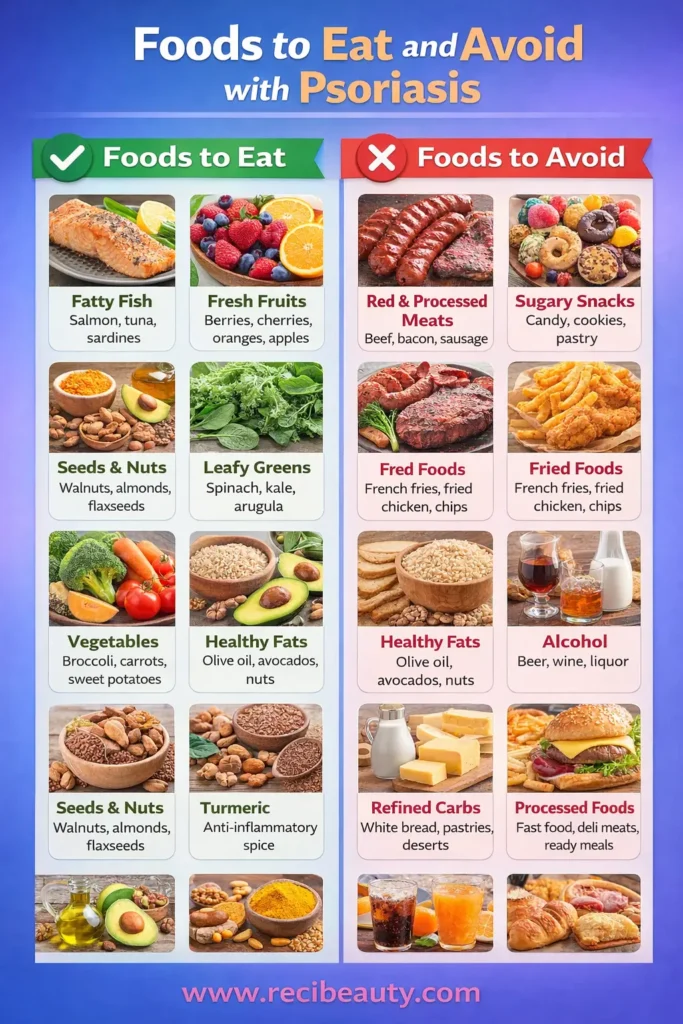
Psoriasis Diet
To reduce inflammation, support immune health, manage flare-ups, and improve skin symptoms, a personalized diet plan helps naturally by nourishing the body from within.
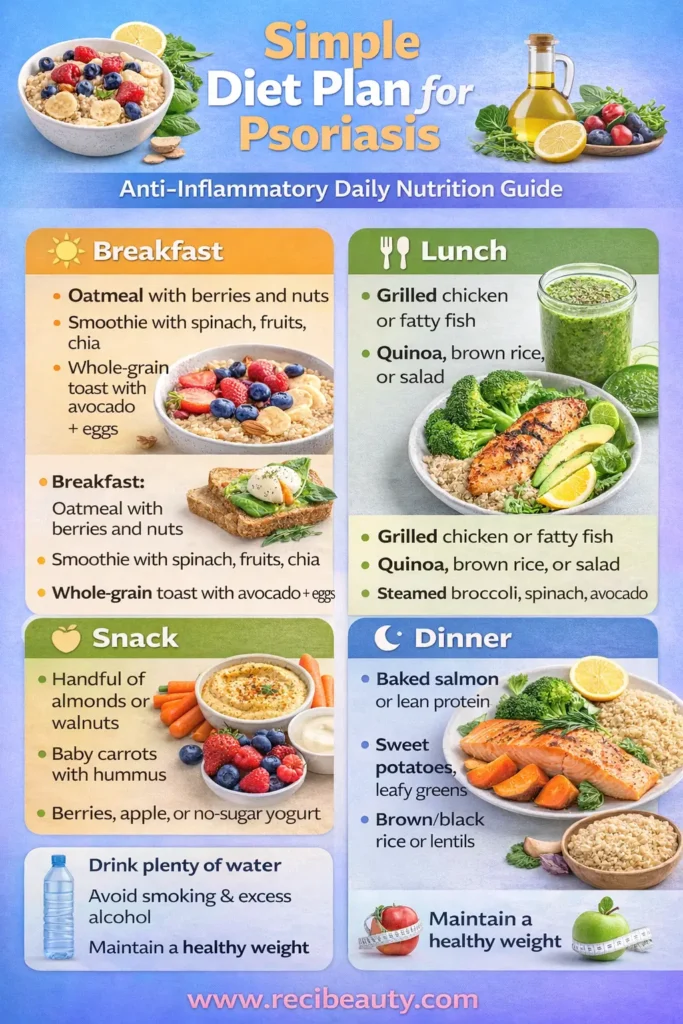
Frequent Asked Question About Psoriasis
Medicine for psoriasis
It is always recommended to consult a doctor before taking medicines.
- Methotrexate
- Cyclosporine
- Biologic injections (target specific immune responses)
What is the fastest way to heal psoriasis?
Psoriasis treatments aim to stop skin cells from growing so quickly and to remove scales. Options include creams and ointments, light therapy and oral or injected medications.
How to cure psoriasis permanently
Psoriasis cannot be cured permanently at present because it is a chronic autoimmune condition. However, it can be effectively controlled and kept in long-term remission with the right approach. This includes prescribed medical treatments (topical therapies, phototherapy, or systemic medicines), identifying and avoiding personal triggers, managing stress, maintaining a healthy diet and weight, and following a consistent skincare routine. With proper management and regular medical care, many people live symptom-free for long periods.